
School Meals: How the Healthy and Sustainable Schools Network Is Growing in Colombia
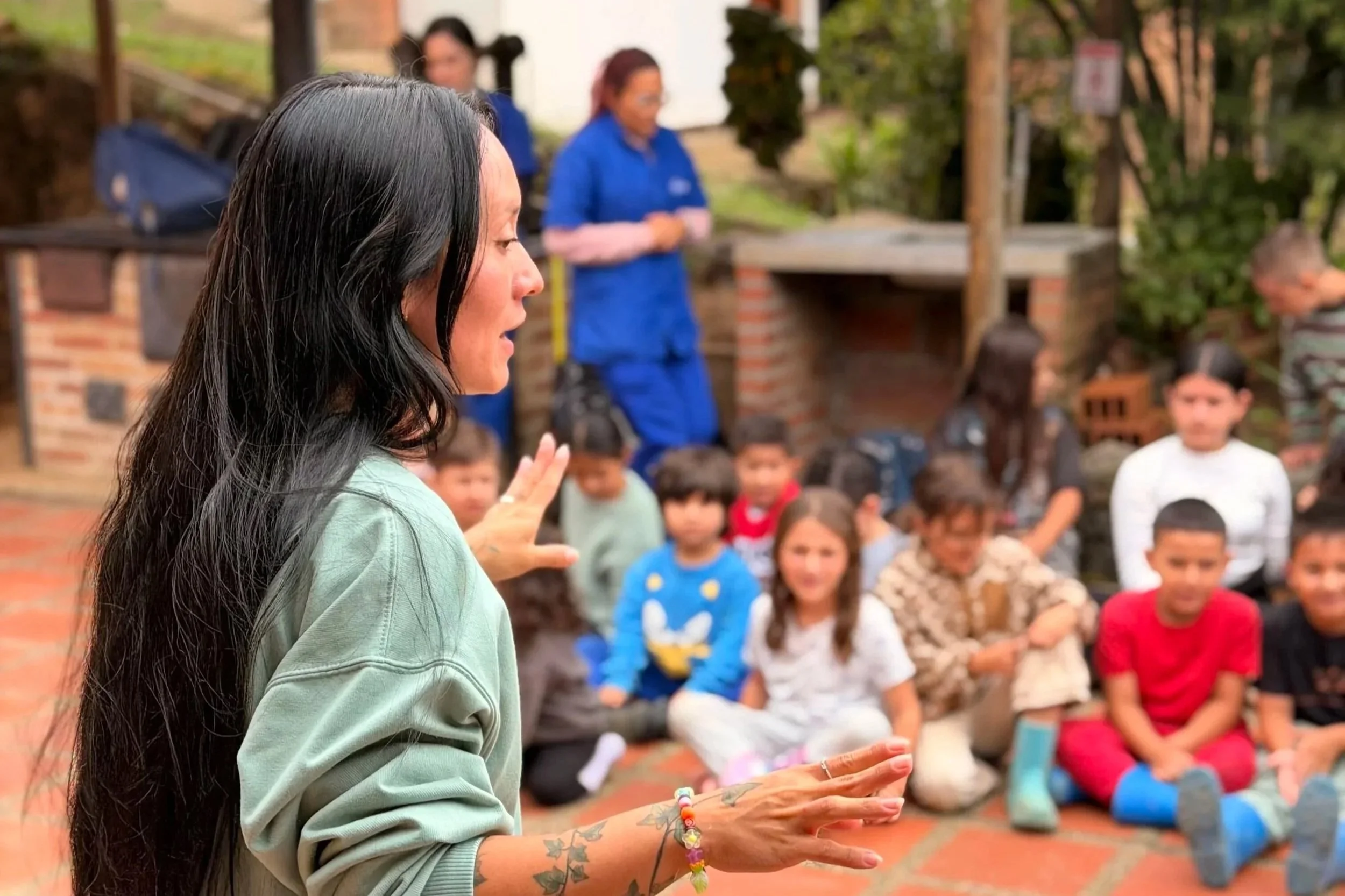
School meals are about much more than what is served on a plate. They are also an opportunity to promote healthy habits, strengthen learning, and educate future generations about caring for the planet.
With this goal in mind, the Healthy and Sustainable Schools Network was created as part of the Nourishing Tomorrow program in Colombia. The initiative supports educational institutions interested in transforming their school dining services by incorporating wellness and sustainable food strategies. Member schools commit to serving 100% plant-based meals one day per week, with menus designed by professionals to ensure nutritious, balanced, and appealing options for students of all ages.
The First Steps of the Network
Just six months after its creation, the initiative emerged in response to the need to promote school environments that support the well-being of students, teachers, and families. Starting in July, its first three member schools will implement more than 54,400 plant-based meals per year.
The institutions that have joined the Network, located in the departments of Antioquia and Cundinamarca, as well as in Colombia’s capital city, Bogotá, are beginning a support process aimed at strengthening their wellness programs and advancing toward healthier and more sustainable school food systems.
Pluriverso, an alternative education school with approximately 130 students, located in Guarne, Antioquia, in northwestern Colombia.
Lerner Klein Bilingual School, currently serving approximately 539 students. It is located in Tenjo, a municipality in the department of Cundinamarca, in Colombia’s Sabana Centro region.
Marie Curie Bilingual Country School, located in Bogotá, Colombia’s capital, with 2,500 students. The school also produces part of its food internally through its own garden.
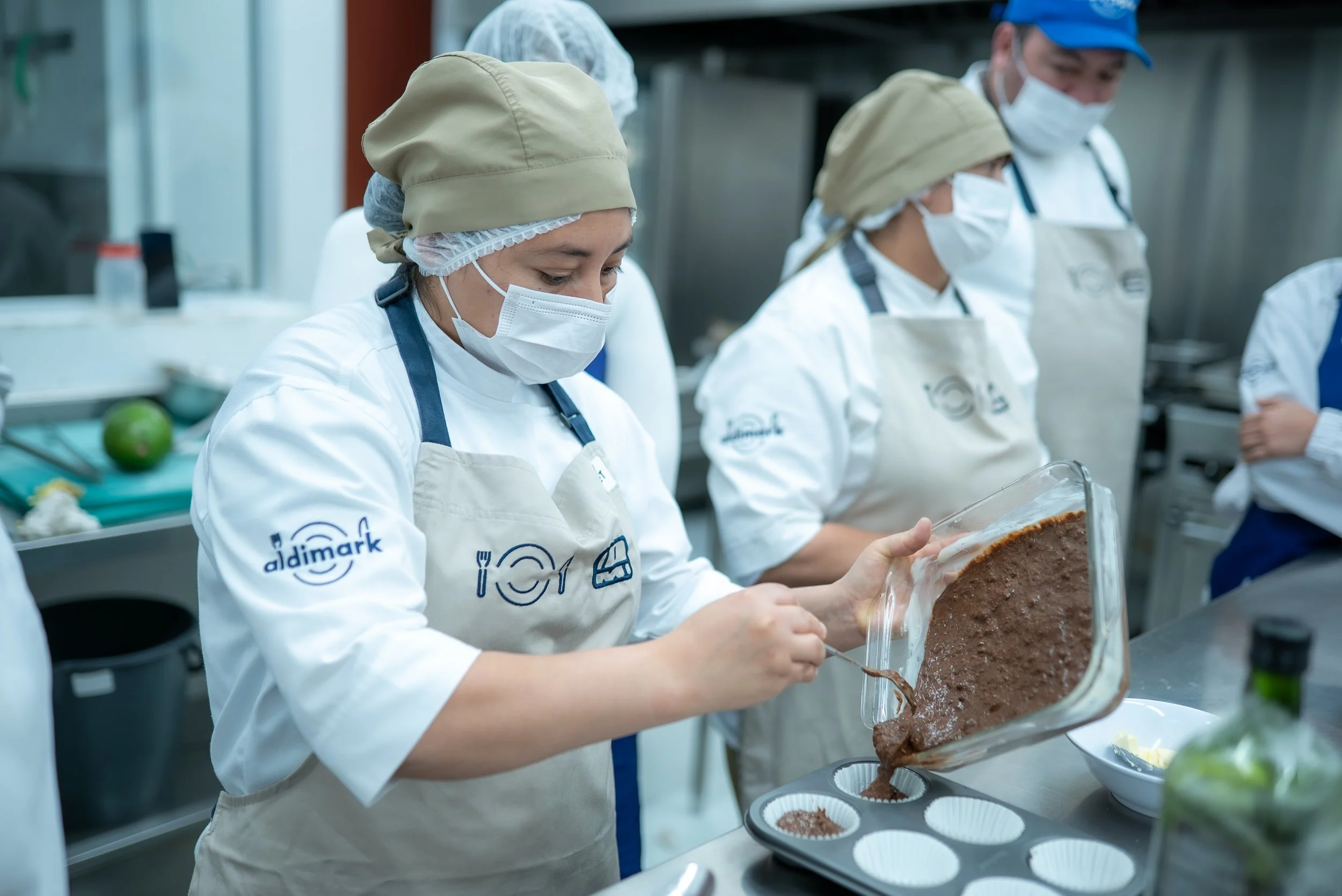
Through these partnerships, the Network continues to bring together educational institutions committed to the well-being of their communities and to building more sustainable food systems. It provides guidance on implementing actions that promote healthy lifestyle habits and reduce environmental impact in one of the most important spaces in school life: the cafeteria.
What Benefits Do Schools Receive?
Each institution that joins the Network receives tailored support based on its specific needs, including:
Assessment and evaluation of its food service program.
Design and implementation of plant-based menus.
Training for school cafeteria staff.
Educational workshops and tasting sessions for the school community.
Opportunities to exchange experiences with other schools.
Ongoing monitoring and a recognition seal that highlights the school’s commitment to health and sustainability.

Plant-Based Meals: Good for People and the Planet
One of the most common questions is whether replacing animal-based foods one day a week affects the nutrition of children and adolescents. The answer is no, as long as menus are properly planned.
That is why the Nourishing Tomorrow team carefully designs every menu proposal to ensure it is nutritionally complete while also being tasty and appealing to students.
At the same time, incorporating more plant-based foods helps reduce the environmental footprint of school cafeterias and encourages students to become more aware of the impact their food choices have on the planet.
Ready to Transform Your School’s Dining Program?
You don’t have to be a school administrator to drive change. Whether you are a parent, student, educator, or advocate, you can help bring nourishing, eco-friendly meals to schools in your city.
Know an institution, school, or cafeteria that could benefit from this initiative? Share this program with them or explore how our Nourishing Tomorrow team supports schools worldwide in transitioning toward healthier dining options.
Learn how to get involved or bring the network to your community:
www.sinergiaanimalinternational.org/changing-habits